How CDMO Manufacturing Supports Innovation in Small Molecule & Biologic Drugs
How strategic CDMO partnerships enable faster execution, scalable development, and smarter decision-making in modern drug innovation
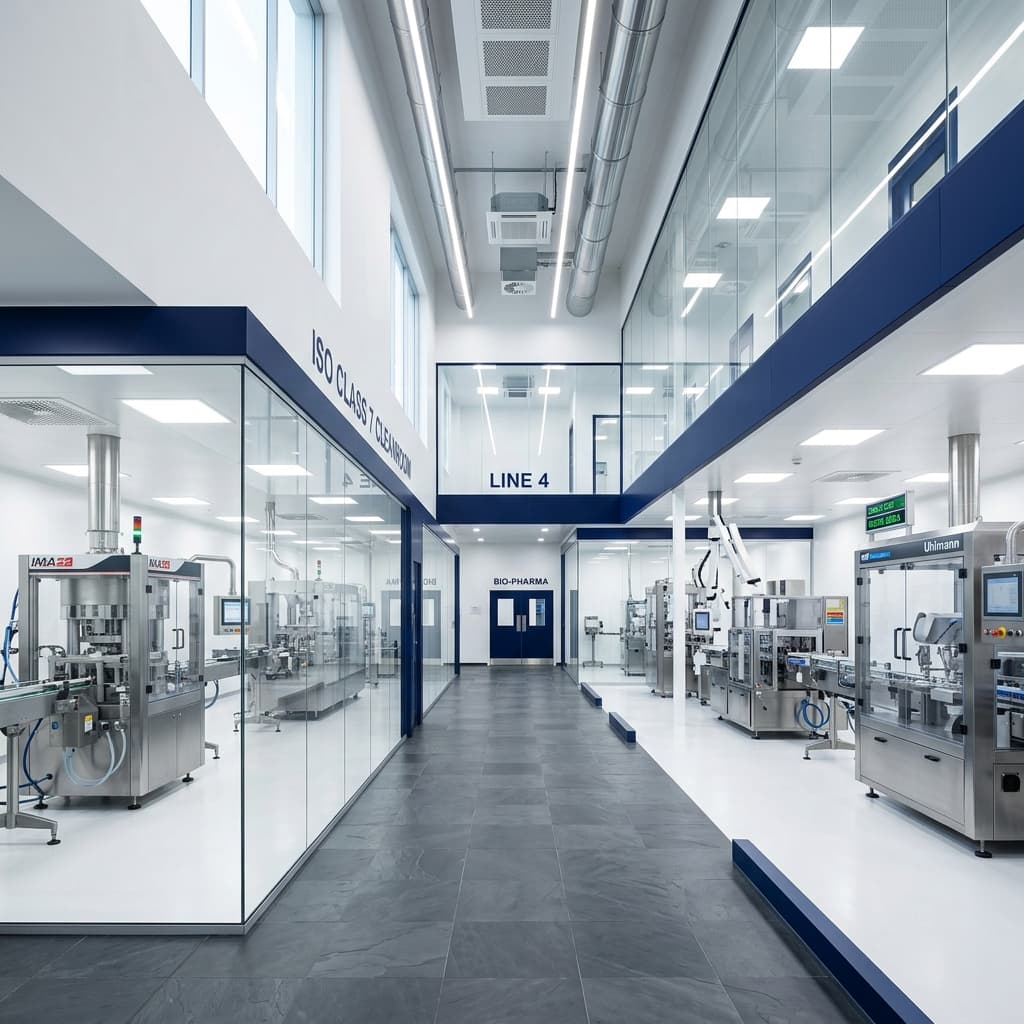
Drug innovation rarely fails because of ideas. It fails because execution breaks down somewhere between the lab bench and the commercial scale. That gap has grown wider as pipelines become more complex, timelines tighter, and regulatory expectations higher. It is here that the process of CDMO manufacturing has become one of the most potent sources of innovation in both small molecule and biologic drug development unobtrusively.
This blog explains how CDMO services, CMO contract manufacturing, and modern CMO manufacturing models actively support innovation, not just by providing capacity, but by shaping smarter, faster development paths.
The Innovation Challenge in Modern Drug Development
Small-molecule drugs still form the backbone of the world´s therapeutics, but they are increasingly becoming complex in their chemistry. APIs of high potency, intricate synthetic pathways and more rigid impurity standards are the new norm. Biologics, on the other hand, introduce difficulties in the form of cell line development, process consistency, scale-up risk, and cold-chain logistics.
Internal production units do not always stand a chance to match this expansiveness. It is costly, time-consuming, and dangerous to build all of the capabilities internally. The innovation of the modern world does not rely on owning but rather on access.
Why CDMO Manufacturing Has Become an Innovation Engine
CDMO manufacturing is no longer about outsourcing basic production. The most effective cdmo services act as development partners embedded in the innovation process.
Key shifts driving this change include:
• Early-stage involvement in process development
• Shared risk models during scale-up
• Deep specialization by modality or technology
• Regulatory experience across multiple markets
When used strategically, cmo contract manufacturing reduces technical uncertainty and shortens decision cycles.
CDMOs as Enablers of Small Molecule Innovation
Small molecule innovation can be dependent on speed and precision. An adequately chosen CMO manufacturing partner can open both.
Process Optimization and Route Design
Experienced CDMOs bring process chemists who have seen hundreds of scale-up failures and successes. The experience is important when deciding on synthetic paths that can be scaled, are cost-effective and compliant.
Practical benefits include:
• Fewer late-stage process changes
• Better impurity control from early phases
• Faster transition from kilo lab to commercial scale
Handling Complex and High-Potency APIs
Many innovative small molecules fall into the HPAPI category. Manufacturing these safely requires specialized containment, trained operators, and validated cleaning strategies. Few sponsors want to build this infrastructure internally.
With the CDMO production, the innovators can work on complex molecules without affecting the safety or schedule.
CDMOs as Enablers of Biologic Innovation
Biologic development carries a higher technical risk and fewer second chances. Small process changes can affect efficacy or immunogenicity.
Platform Technologies and Process Consistency
Leading CDMOs invest heavily in standardized biologics platforms for:
• Cell line development
• Upstream and downstream processing
• Analytical characterization
These platforms portend variability and speed up the development process, particularly among up-and-coming biotech firms with a small internal core.
Scale-Up Without Re-Engineering
The processes have to be redesigned at all levels, and this makes innovation slow. Skilled biologics CDMOs scale up in the first design. This continuity protects product quality while moving from clinical batches to commercial supply.
Real-World Impact: Faster Paths to the Clinic
The data within the industry has always indicated that sponsors who deal with integrated cdmo services achieve the clinical milestones at a quicker pace. There is one tendency that is typical of case studies.
Early engagement leads to:
• Fewer tech transfer delays
• Stronger regulatory submissions
• More predictable manufacturing costs
In biologics, early CDMO involvement has been shown to reduce development timelines by months, sometimes longer. In competitive therapeutic areas, that time advantage can define success.
Practical Lessons from the Field
Experience across multiple programs reveals a few repeatable lessons.
• Innovation benefits from transparency, not black-box outsourcing
• CDMO manufacturing works best when treated as a partnership, not a purchase order
• Technical alignment matters more than geographic proximity
• Regulatory experience is often undervalued until problems arise
Sponsors who involve their CMO contract manufacturing partners early tend to make fewer late-stage compromises.
Choosing the Right CDMO for Innovation
Not every CDMO is designed to support innovation. Selection should go beyond capacity and price.
Key evaluation points:
• Experience with similar molecules or modalities
• Strength of development teams, not just operations
• Track record with regulatory agencies
• Willingness to engage before Phase III
All kinds of innovation are fostered in the environment where questions are accepted early and addressed in a participatory manner.
Turning CDMO Manufacturing into a Competitive Advantage
More than scientific discovery is needed in the innovation of small-molecule and biologic drugs. It depends on execution, predictability, and informed decision-making. CDMO manufacturing has evolved into a strategic pillar of that process.
The right cdmo services help innovators move faster without cutting corners. The wrong choice adds friction at the worst possible moment.
Platforms that bring transparency and structure to CMO manufacturing decisions are becoming essential tools in modern drug development. That is the space where the MAI CDMO Network plays its role.